Trying to choose between a split-level and a two-story home in Minnetonka? You are not alone. In a market where many homes were built between 1950 and 1970, this is a common side-by-side comparison for buyers who want the right mix of space, layout, and future updates. The good news is that once you understand how these two styles live day to day, the decision gets much clearer. Let’s dive in.
Why this choice matters in Minnetonka
Minnetonka’s housing market tends to start around a half-million-dollar baseline before you factor in style, lot, size, and renovations. Recent figures in the research place the city’s home values and sale prices in that general range, with homes moving relatively quickly.
That matters because in Minnetonka, you are often not choosing between a “cheap” home type and an “expensive” one. You are choosing between two common suburban layouts, both often found in older housing stock, where condition and updates can matter just as much as architecture.
The city’s housing plan also shows that much of Minnetonka’s housing stock was built from 1950 to 1970. That means split-levels and two-story homes are both part of the local housing mix, and many buyers end up comparing layout efficiency, stair use, and renovation scope more than just square footage alone.
Split-level homes at a glance
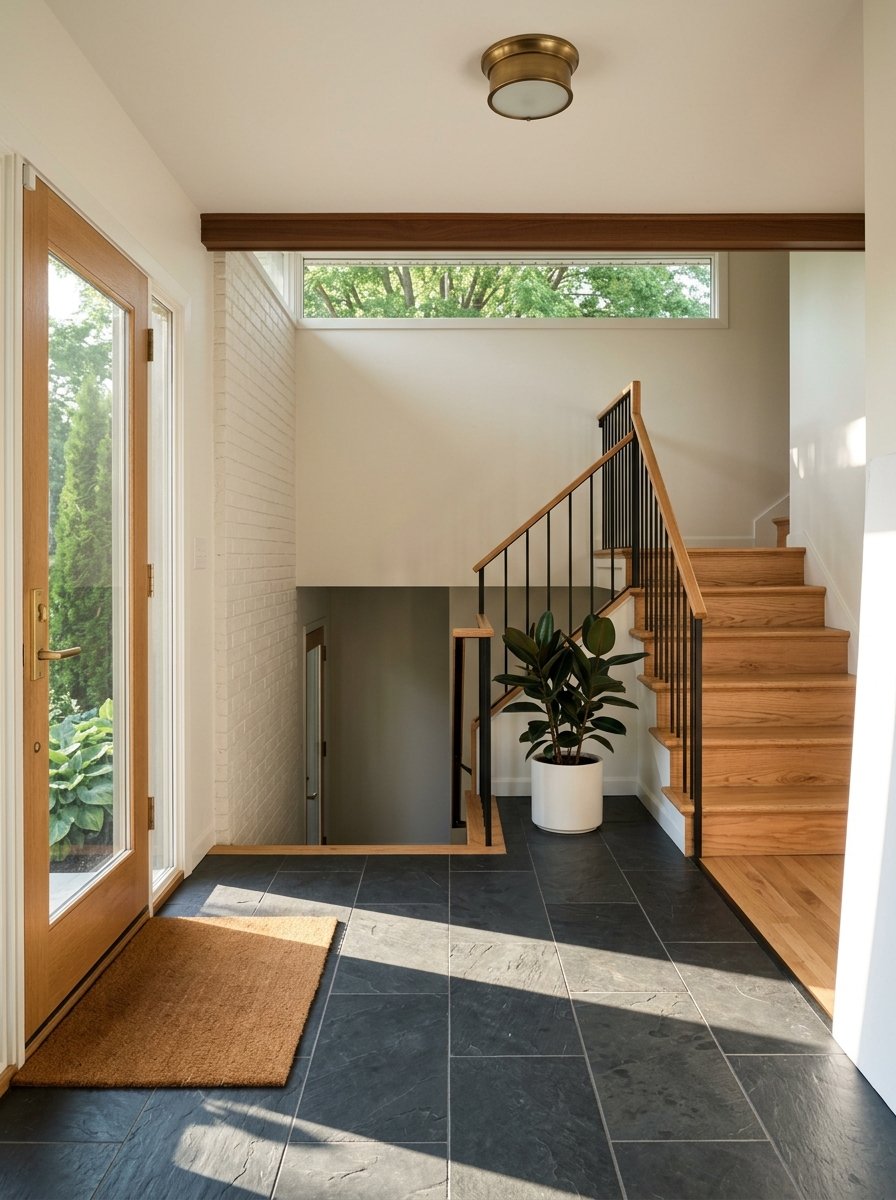
Split-level homes became especially popular in the 1950s and 1960s, which lines up well with Minnetonka’s older suburban housing supply. The classic layout places the kitchen, living, and dining areas on the main level, bedrooms up a short flight of stairs, and a lower-level family room or garage access below.
One reason buyers consider split-level homes is efficient use of space. This style can add usable square footage without taking up much more yard area, which can be helpful if you want indoor room to spread out while preserving outdoor space.
Split-levels also create natural separation between different parts of daily life. You may like having gathering spaces on the main level, quieter bedrooms upstairs, and a lower level that can serve as a recreation room, office, or flexible bonus area.
Two-story homes at a glance
Two-story homes usually create a clearer divide between public and private spaces. In many cases, the main floor is built around everyday living and entertaining, while bedrooms are grouped upstairs.
For many buyers, that layout feels more traditional and straightforward. If you want stronger bedroom separation from the main living space, a two-story home may feel like a better fit from the start.
Two-story homes can also offer design flexibility and, in some settings, better views. At the same time, they come with the same broad stairs-related tradeoffs as split-level homes, plus some practical comfort issues since upper floors can be harder to keep cool when heat rises.
Layout differences that affect daily life
The biggest difference between these styles is not just appearance. It is how you move through the home every day.
In a split-level, you are usually moving between half-levels more often. That can make the home feel nicely zoned, but it also means stairs are built into daily routines in a more constant way.
In a two-story, most of your stair use is between the main floor and the upstairs level. Some buyers find that simpler and easier to live with because the division is more predictable.
Split-level flow
A split-level often works well if you want separate spaces without a very large footprint. It can be a smart match for buyers who like the idea of a lower-level flex space for hobbies, work, or casual living.
It can also be a practical option on sloped or irregular lots. That is part of why this style has remained common in many established suburban areas.
Two-story flow
A two-story home often works well if you want bedrooms grouped together and away from the main living area. That layout can support a cleaner distinction between active daytime spaces and quieter nighttime spaces.
If you like the idea of a more classic move-up-home feel, two-story homes often deliver that experience. In Minnetonka, that can show up across a wide range of price points depending on lot, size, age, and finish level.
Stairs are a real decision point
For both home styles, stairs deserve serious attention. This is not a small detail you can figure out later. It affects how the house feels every single day.
Split-level homes tend to have more frequent level changes, including exterior steps in some cases. In Minnesota winters, that can be less convenient, especially when you are carrying groceries, managing snow and ice, or simply wanting easier entry.
Two-story homes also require regular stair use, but usually in a more straightforward up-and-down pattern. Even so, buyers should think carefully about long-term comfort, guests, and whether they want the easiest possible circulation.
How pricing often compares in Minnetonka
In Minnetonka, style alone does not set the price. Still, the research suggests a useful pattern: split-level homes often sit in the middle of the market, while two-story homes can begin in the middle and climb higher when they are larger, newer, or placed on premium lots.
The local examples in the research reflect that spread. A split-level sale at 14818 Kral Rd closed at $563,000 in May 2026, and another split-level had an estimated value around $540,797. By comparison, two-story examples ranged from a $699,000 listing to a $2.1 million new-construction listing.
The takeaway is simple. In Minnetonka, you should expect price to reflect a combination of square footage, lot quality, age, updates, and overall finish level more than style alone.
Renovation potential and limits
If you are buying with future updates in mind, this is one of the most important parts of the decision.
Split-level homes can absolutely be improved, but they are often harder to fully reconfigure than more open, single-level layouts. Because each level already has a fairly set purpose, many owners focus on practical upgrades like kitchens, baths, flooring, mechanical systems, and lower-level finishing instead of trying to reinvent the entire floor plan.
Recent local examples support that pattern. The Kral Road sale highlighted refinished hardwoods, an open kitchen and dining area, a four-season room, and a flexible lower level. Another split-level example emphasized updates and a new roof.
Two-story homes can also be updated, but major structural changes can become expensive quickly. Adding a second floor to a home is typically a major project that may require structural review, foundation review, and attention to zoning and design constraints.
Even when you are not doing a full addition, taller homes can involve added complexity for some exterior work depending on height and roof shape. That does not make a two-story a bad choice. It just means your renovation budget should be realistic and tied to the home’s existing structure.
Yard space and site fit
If outdoor space matters to you, split-level homes may deserve a closer look. Because they can add interior living area without expanding the footprint as much, they can preserve more yard than some other layouts with similar usable space.
That can be especially useful if you want room for outdoor living, gardening, or simply a more open lot feel. It can also make split-levels a practical fit on lots with slopes or irregular shapes.
Two-story homes can also preserve yard space, especially compared with a larger one-level footprint. But in Minnetonka, lot quality and setting often influence value as much as the house style itself, so it helps to evaluate the full property rather than the floor plan alone.
Which home style fits your goals?
There is no one-size-fits-all answer here. The right choice depends on how you live, what kind of updates you are open to, and how you want the home to function over time.
A split-level may fit if you want:
- Usable square footage at a relatively moderate price point
- Natural separation between living, sleeping, and flex spaces
- A home that preserves more yard space
- A practical option within Minnetonka’s older housing stock
- A home where targeted updates may matter more than a full redesign
A two-story may fit if you want:
- Clear separation between main living areas and bedrooms
- A more traditional move-up-home layout
- Potential for stronger privacy between floors
- Flexibility across a wide range of home sizes and finish levels
- A home where lot, size, and finish may support a higher long-term price tier
A practical way to compare homes
If you are touring both styles in Minnetonka, it helps to use the same scorecard each time. That keeps you focused on fit instead of just reacting to staging or surface finishes.
Consider these questions as you compare options:
- How do the stairs feel in daily use?
- Does the bedroom layout fit your routine?
- How much work does the kitchen or lower level need?
- Is the yard size right for your goals?
- Do the updates match the price point?
- Are you paying for layout, lot, condition, or all three?
That kind of side-by-side review can make your decision much easier, especially in a market where homes can move in a matter of weeks.
Final thoughts for Minnetonka buyers
In Minnetonka, choosing between a split-level and a two-story home is usually less about picking the “better” style and more about matching the home to your life. Split-levels often appeal to buyers who want efficient space and a moderate entry point into the market, while two-story homes often appeal to buyers who want stronger separation, a classic layout, and room to move up in size and finish level.
Because so much of Minnetonka’s housing stock is older, your best decision will usually come from looking past the label and focusing on condition, updates, lot quality, and how the layout supports your day-to-day routine. When you have a clear plan, it becomes much easier to spot the right fit quickly.
If you want help comparing split-level and two-story homes in Minnetonka, Evan Axelson offers clear, step-by-step guidance to help you weigh layout, price, condition, and long-term fit with confidence.
FAQs
What is the main difference between split-level and two-story homes in Minnetonka?
- A split-level usually separates the home across multiple short levels, while a two-story typically places living areas on the main floor and bedrooms upstairs.
Are split-level homes usually less expensive than two-story homes in Minnetonka?
- Often, yes, but not always. In Minnetonka, price is also heavily influenced by square footage, lot quality, age, and updates.
Are split-level homes common in Minnetonka?
- Yes. Minnetonka has a large share of older housing stock built between 1950 and 1970, which is the era when split-level homes became common.
Do two-story homes offer more privacy than split-level homes?
- They often do, because two-story homes usually separate bedrooms from main living areas more clearly.
Are split-level homes harder to renovate in Minnetonka?
- They can be. The research suggests split-levels are often improved through kitchens, baths, floors, mechanicals, and lower-level finishing rather than major layout changes.
What should Minnetonka buyers focus on besides home style?
- Focus on condition, lot quality, square footage, updates, stair comfort, and how well the layout fits your daily routine.