What does everyday life really feel like in Minnetonka? If you love green space, easy lake access, and a simple commute, this west‑metro city gives you a lot to work with. You will find a mix of parks and trails, a shared lake culture, and practical shopping that fits busy routines. In this guide, you will see how the outdoors, neighborhoods, and daily conveniences come together so you can decide if Minnetonka fits your lifestyle. Let’s dive in.
Where Minnetonka fits in the metro
Minnetonka sits just west of Minneapolis, with a population estimate of 52,651 as of July 1, 2024 and about 26.9 square miles of land area. According to U.S. Census QuickFacts, the city’s ACS 2019–2023 numbers show a median selected owner-occupied home value of $456,200, a median household income of $120,496, and an owner-occupied housing rate near 72.5 percent. The mean travel time to work is 20.1 minutes, which helps explain why Minnetonka often feels near, yet still suburban. You get quick access to the city, lake amenities, and west‑metro job centers without giving up neighborhood space.
Review the Census QuickFacts for Minnetonka to see the current stats and date ranges behind these figures.
Parks and trails at your door
If you value daily time outside, Minnetonka makes it simple. The city maintains about 50 parks, more than 268 acres of maintained parkland, roughly 1,000 acres of natural public open space, and over 100 miles of trails and sidewalks for walking, running, and biking. That network connects neighborhoods to preserves, athletic fields, and small pocket parks, so you can build the outdoors into your routine without a long drive.
You can scan park snapshots and trail info on the City of Minnetonka parks and trails page.
Signature green spaces
- Lone Lake Community Park is a roughly 146‑acre setting with wooded trails and water views that feel quiet even on busy days.
- Purgatory Community Preserve spans about 155 acres and offers long, meandering paths with open meadows and creek corridors.
- Big Willow Community Preserve and Athletic Complex covers about 95 acres and blends natural areas with fields for practices and games.
- Meadow Park features broad natural space and simple trails, ideal for relaxed walks and casual exploring.
Lake Minnetonka rhythm
The lake shapes summer and winter alike. Lake Minnetonka covers about 22.7 square miles and is shared across several cities, which means coordinated rules and active stewardship. The Lake Minnetonka Conservation District oversees boating regulations, safety, and shoreline guidance, while the Minnehaha Creek Watershed District operates Gray’s Bay Dam and monitors flows into Minnehaha Creek. You get access to a major regional amenity with clear expectations about use and safety.
To check water levels and paddling conditions for the creek connection, start with the Minnehaha Creek Watershed District’s water-levels page.
Getting on the water
Public launches, marinas, and parks around the lake, including Minnetonka’s Grays Bay area, make it easy to reach the water. The LMCD posts seasonal boating guidance, “Own Your Wake” reminders, and safety information so you know how to navigate during peak traffic. If you canoe or kayak into Minnehaha Creek, the watershed district publishes paddling and flow guidance so you can plan safe, enjoyable trips.
Summer vs. winter expectations
In summer, expect steady boat traffic, lakeside patios, and weekend energy on both the water and nearby roads. You will also see community events stack up on calendars from June through August. In winter, frozen-lake activities return along with ice safety messaging from city and lake agencies. Many parks add skating or winter programming, and lake users follow seasonal rules for safe travel.
Neighborhoods and housing mix
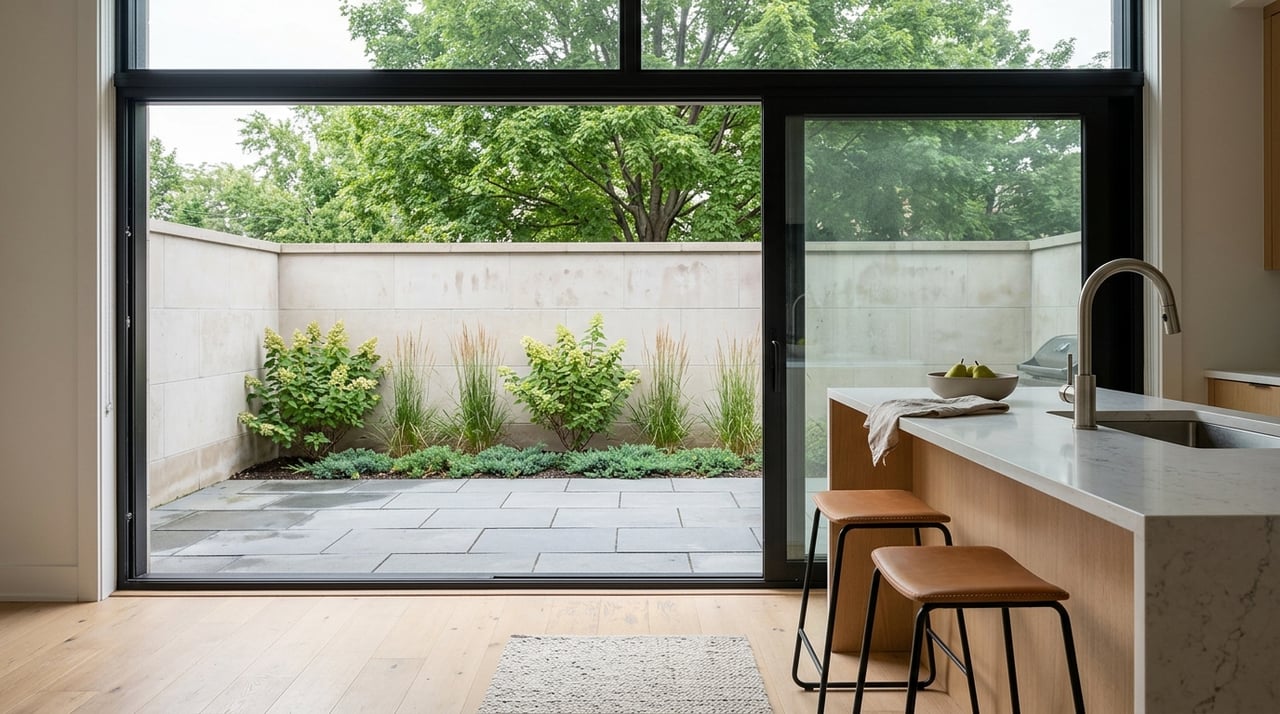
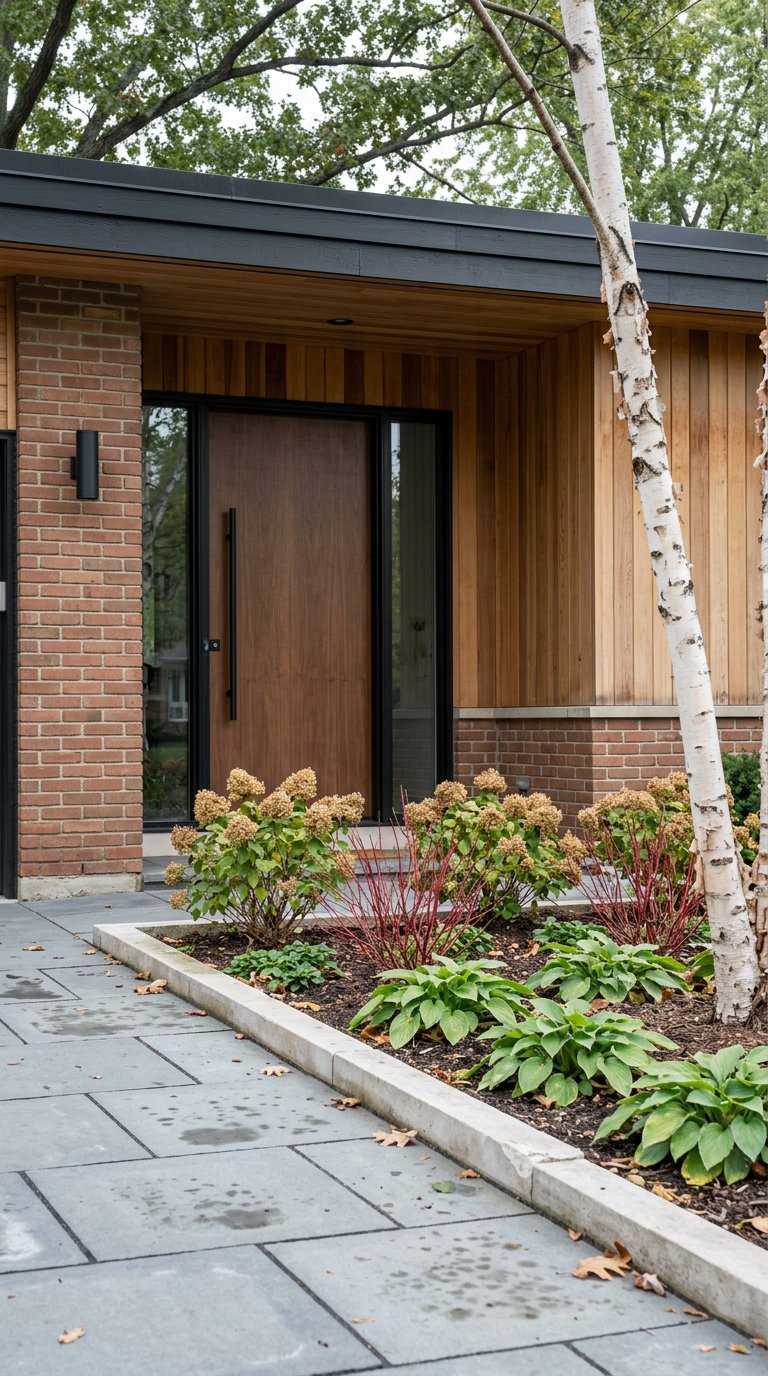
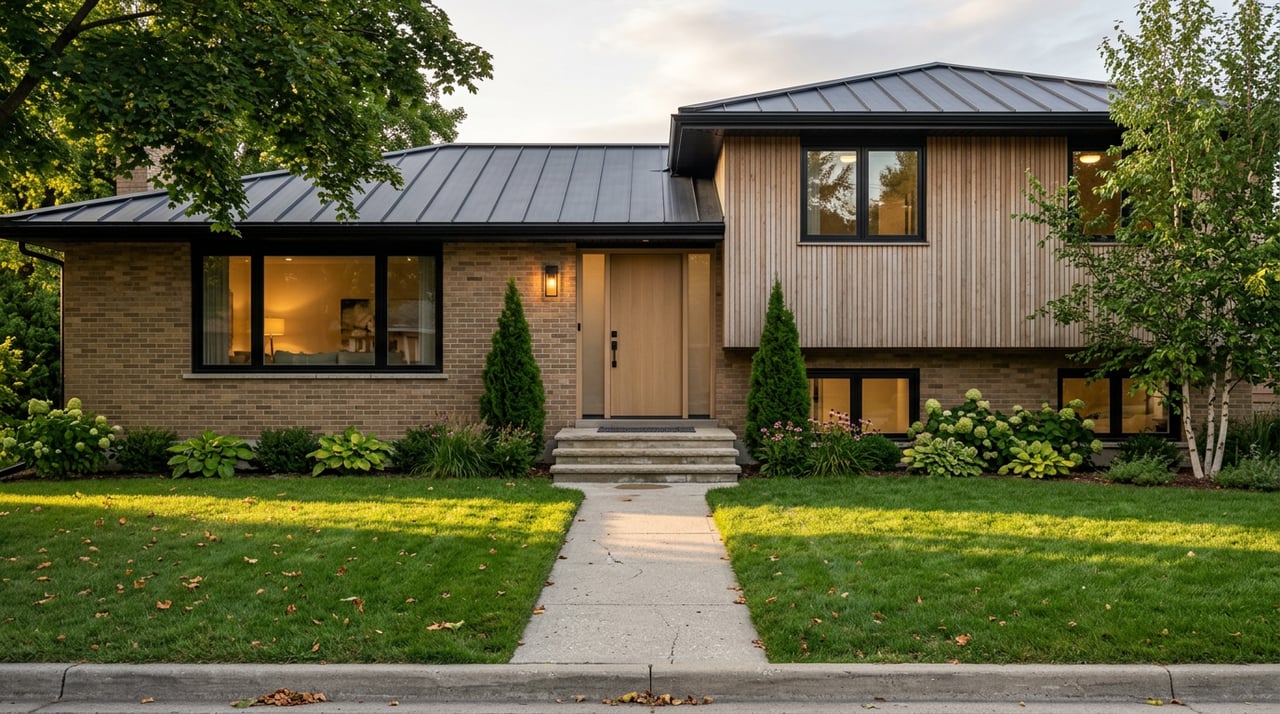
Minnetonka’s housing is anchored by single-family neighborhoods with pockets of townhomes and condos, plus select infill and redevelopment near commercial centers like Ridgedale. The ACS owner-occupied rate of about 72.5 percent reflects that balance of established neighborhoods and attached options. Near Ridgedale, recent age-targeted rental projects illustrate a trend toward placing more housing close to shopping and services. One example is Avidor Minnetonka, set next to the mall area.
Submarkets to explore
- Lakefront and lakes‑area proximity. Parts of Minnetonka touch Lake Minnetonka. Waterfront homes and close‑in neighborhoods offer a distinct lifestyle and inventory pattern that differs from typical suburban areas farther from the lake.
- Established suburban neighborhoods. Across most of the city you will find residential streets with parks, trail access, and convenient drives to Ridgedale, Wayzata Boulevard, or Highway 7.
- Near Ridgedale and Wayzata Boulevard. Expect shopping, dining, and services within minutes, plus a growing mix of housing types linked to ongoing redevelopment.
- Opus and Golden Triangle. This employment-focused area in the southwest corner ties into broader regional planning conversations and brings daytime activity and future connectivity into the picture.
What budget research looks like
Use the ACS 2019–2023 median owner-occupied value of $456,200 as a high-level city snapshot, then drill down by neighborhood and property type. Prices shift with location, lot, age, and updates, so street-level comps and current MLS data matter more than a single citywide median. County-level reports can help you track recent direction, but plan to verify with current listings and solds that match your target area and home style. A clear budget paired with on-the-ground data helps you move with confidence when the right place appears.
Daily errands and local flavor
Ridgedale Center is Minnetonka’s main retail and dining anchor. You will find national retailers, restaurants, and regular events that make it an easy one-stop spot for errands. Browse upcoming store and event details on the Ridgedale Center site.
Right next door, the Ridgedale Library is a regional hub with classes, exhibitions, and storytimes. The library, mall, and nearby civic facilities create a practical town‑center feel for everyday routines.
Dining and shopping scenes
You get a mix of mall‑anchored options around Ridgedale, small neighborhood centers scattered through the city, and lakeside destinations a short drive away in Wayzata and Excelsior. In warm months, patios fill up quickly and you can pair errands with a quick trail walk or lakeshore stop. Year-round, you can balance chain convenience with local independents.
Community events on your calendar
Minnetonka Community Education runs seasonal events that make it easy to plug in. Look for the Tonka Trail Trot, the Tonka Youth Triathlon, the Minnewashta Mud Run, and the popular Tour de Tonka cycling event. Check dates and sign-ups through Minnetonka Community Education’s events calendar. Nearby lakefront towns also host summer music series and festivals, which keeps weekends lively across the season.
Getting around
Commuting is straightforward. The mean travel time to work is 20.1 minutes, and the I‑394 and US‑12 corridor offers quick access to downtown Minneapolis. If you prefer transit, the Plymouth Road Transit Center at I‑394 and Plymouth Road supports express bus service into the city, including routes that use MnPASS lanes during peak times. You can review location and service details on Metro Transit’s Plymouth Road Transit Center page.
Looking ahead: regional transit planning
Regional plans, such as the METRO Green Line Extension (Southwest LRT), outline future connectivity that influences redevelopment conversations near Opus, Golden Triangle, and downtown Hopkins. Treat these as long-range planning contexts rather than completed service, and watch for updates as construction milestones change. For background and connection maps, see the Met Council’s Green Line Extension page.
A week in Minnetonka: what it feels like
- Monday: Start with a trail run through Purgatory Community Preserve before work.
- Tuesday: Stop at Ridgedale Library for a class or exhibit, then grab dinner nearby.
- Wednesday: Bike a stretch of the city’s 100‑plus miles of trails after school or work.
- Thursday: Park at the Plymouth Road Transit Center and bus downtown for an event.
- Friday: Meet friends for lakeside dining in Wayzata, then catch the sunset over the water.
- Saturday: Launch a kayak from the Grays Bay area and follow MCWD guidance for safe paddling.
- Sunday: Picnic at Lone Lake Community Park and stroll a quiet loop before the week starts.
Is Minnetonka a fit for you?
If you want easy access to parks, trails, and the region’s signature lake, Minnetonka delivers a daily rhythm that balances outdoors and errands. The housing mix supports different life stages, from single-family streets to condo and townhome pockets, and newer options near Ridgedale. Commutes are manageable, and the city’s central west‑metro location puts you close to both Minneapolis and regional job hubs.
When you are ready to align your wish list with the right neighborhood and budget, reach out. I can help you compare submarkets, time the market, and move step by step with clarity. Connect with Evan Axelson to get started.
FAQs
How big is Minnetonka and where is it located?
- Minnetonka has an estimated 52,651 residents (July 1, 2024) across about 26.9 square miles, just west of Minneapolis, according to U.S. Census QuickFacts.
What outdoor options can you expect in Minnetonka?
- The city maintains about 50 parks, over 268 acres of maintained parkland, roughly 1,000 acres of natural open space, and 100‑plus miles of trails and sidewalks for everyday walking, running, and biking.
What is living near Lake Minnetonka like?
- Portions of Minnetonka touch the lake, and residents use public launches, marinas, and parks with LMCD rules and MCWD water-level guidance shaping safe, seasonal use.
How are public schools organized in Minnetonka?
- The city is served by multiple public districts, and families typically confirm district and open‑enrollment boundaries by address before registering for programs or schools.
What is the typical commute time from Minnetonka?
- The mean travel time to work is 20.1 minutes, with I‑394 and US‑12 as primary routes and express buses available from the Plymouth Road Transit Center.
Where do you shop and run errands in Minnetonka?
- Ridgedale Center is the main shopping and dining hub, and the adjacent Ridgedale Library and civic sites make it easy to stack errands, programs, and events in one trip.