Thinking about trading Minneapolis city living for more space in Eden Prairie? That move can feel exciting and a little hard to picture at the same time. If you are trying to understand how daily life really changes, this guide will walk you through the biggest differences so you can decide what fits you best. Let’s dive in.
Daily Life Feels Different
Moving from Minneapolis to Eden Prairie usually changes your day-to-day rhythm more than your actual distance from the city. Minneapolis is built around a denser, corridor-based pattern, while Eden Prairie is shaped more like a lower-density west-metro suburb.
In practical terms, that often means more separation between homes, shopping, parks, and workplaces in Eden Prairie. Minneapolis tends to place more of your daily stops closer together, while Eden Prairie often asks you to plan your routes a little more intentionally.
Commutes and Getting Around
Minneapolis supports mixed travel
Minneapolis gives you a broad mix of ways to get around. The city reports local and express buses, light rail, bus rapid transit, commuter trains, and one of the region’s larger bike systems. It also says it has 89 miles of trails, 36 miles of curb-protected bikeways and paths, and more than 140 miles of painted bike lanes.
That means it is often easier in Minneapolis to combine walking, biking, transit, and driving in the same day. If you are used to running errands on foot, biking to a trail, or catching transit along a commercial corridor, that flexibility can feel built into city life.
Eden Prairie is more freeway-oriented
Eden Prairie still offers transit options, but the overall feel is more connected to major roads and regional access. The city says major trafficways converge there, making access convenient from nearly every direction.
SouthWest Transit connects Eden Prairie with downtown Minneapolis, the University of Minnesota, the Mall of America, and MSP Airport. The METRO Green Line Extension is also scheduled to open in 2027, with Eden Prairie stations planned at SouthWest Station, Town Center, Golden Triangle, and City West.
What this means for your routine
If you move to Eden Prairie, you will likely do more driving than you do in Minneapolis. Transit is still part of the picture, but it tends to require more deliberate planning.
For many buyers, this shift is not a negative. It is just one of the clearest lifestyle differences to expect before you move.
Housing Feels More Spread Out
Eden Prairie leans suburban
One of the biggest differences is housing pattern. Eden Prairie describes its housing stock as a mix of single-family homes, multi-unit developments, and senior housing, but its land-use structure still leans strongly suburban.
Its guide plan map labels large areas as low-density residential at 0 to 2.5 units per acre. Its zoning also includes single-family districts with minimum lot sizes ranging from 9,500 to 44,000 square feet.
Minneapolis offers more variety
Minneapolis is more varied by design. The city says its 2040 plan supports a diversity of use in all neighborhoods, and its zoning system includes urban neighborhood and residential mixed-use districts.
The city also publishes standards for multiple residential structures on a property, including duplexes, triplexes, cluster developments, and common lot developments. Some districts shown in the city’s built-form handbook include 40-foot lot widths and 5,000-square-foot minimum lot areas.
What buyers often notice first
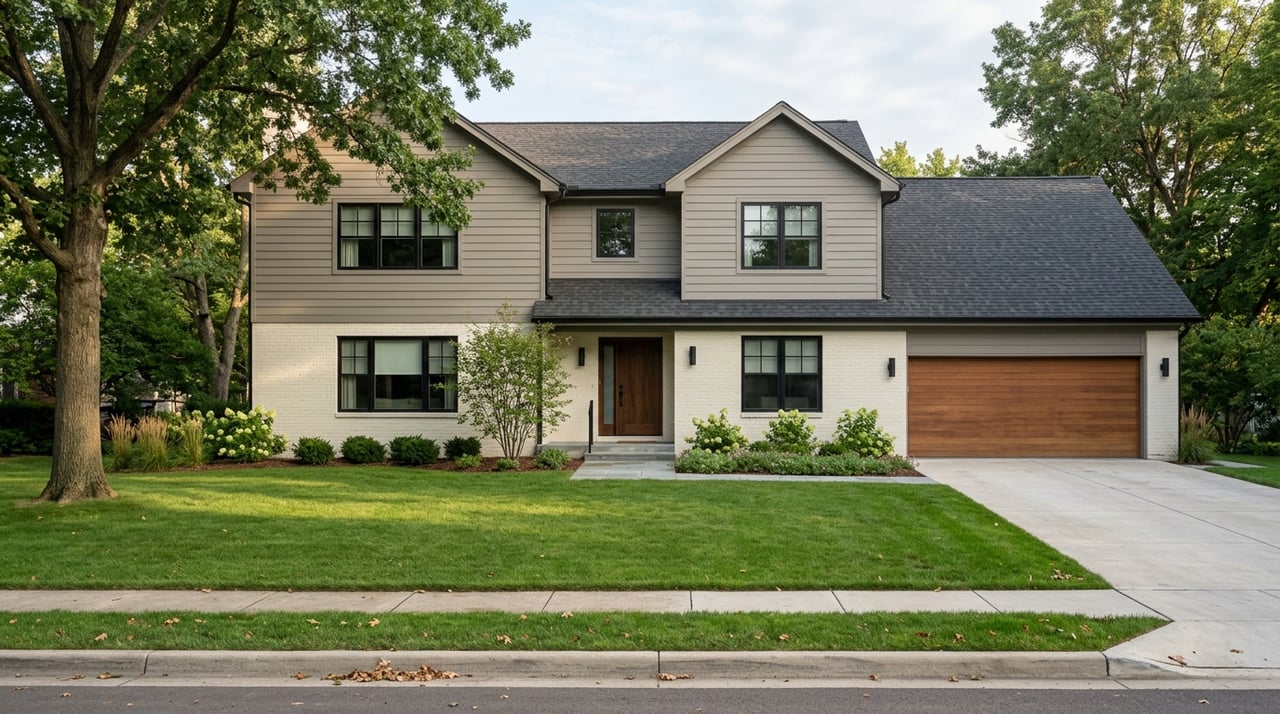
When you relocate to Eden Prairie from Minneapolis, you may notice that homes often feel more detached and yard-oriented. In Minneapolis, it is more common to see attached housing, smaller lots, and a wider mix of housing types in close proximity.
If you want more separation between homes or more outdoor space tied directly to the property, Eden Prairie may line up well with your goals. If you prefer a denser, more urban housing pattern, the change may feel more noticeable.
Shopping and Errands Work Differently
Minneapolis spreads retail across neighborhoods
Minneapolis is organized around many neighborhood commercial areas and corridors. The city highlights 83 residential neighborhoods and a planning framework that emphasizes commercial corridors, neighborhood commercial nodes, and historic commercial districts.
That often creates a more local errand pattern. Depending on where you live, you may be used to making a few stops within your own part of the city rather than heading to one larger retail destination.
Eden Prairie centers more activity
Eden Prairie shopping is more concentrated. The city says Eden Prairie Center draws more than 6 million shoppers annually, and its Major Center Area study places this district around the I-494, Highway 5, and Highway 212 interchange and Prairie Center Drive.
This creates a different rhythm for errands. Instead of a neighborhood-corridor feel, many daily or weekly shopping trips may revolve around a few larger hubs.
How that affects convenience
Neither setup is automatically better. It depends on what feels convenient to you.
If you like having many neighborhood-based stops woven into your routine, Minneapolis may feel more intuitive. If you prefer getting in the car, knocking out several errands in one main area, and heading home, Eden Prairie may feel efficient.
Parks and Outdoor Access Stay Strong
Eden Prairie emphasizes open space
Eden Prairie offers a strong parks-and-trails lifestyle. The city says it has more than 1,000 acres of developed park land, 225 miles of sidewalks and trails, 37 parks, 15 conservation areas, nearly 10,000 acres of parks and open spaces, 17 lakes, and more than 100 ponds.
The community center adds aquatics, ice rinks, fitness space, an indoor play zone, and gear checkout. If you enjoy trails, conservation areas, and a suburban open-space feel, this is a big part of Eden Prairie’s appeal.
Minneapolis integrates parks into city life
Minneapolis also has a major outdoor advantage, just in a different format. The city says it has 180 parks, 22 lakes, 12 gardens, seven golf courses, and 55 miles of biking and walking paths. It also notes that many trails run along parkways, rivers, streams, and lakes and can support both recreation and transportation.
This means outdoor access in Minneapolis often feels tightly woven into everyday movement. A trail or park can be part of your commute, your weekend, or your route to another destination.
The key difference outdoors
The contrast is not that one place has nature and the other does not. It is more about the experience.
Eden Prairie tends to offer suburban trail loops, conservation areas, and broader open space. Minneapolis tends to offer a denser network of parks, lakes, and bikeways integrated into the city itself.
What the Move May Feel Like
If you are relocating from Minneapolis to Eden Prairie, expect a shift in pace and pattern. You are likely to notice more driving, more detached housing, more centralized shopping, and a recreation setup built around parks, trails, and open space.
For some buyers, that feels like a natural next step when they want more room or a more suburban layout. For others, the adjustment is mainly about understanding how daily routines change before making a move.
How to Evaluate the Right Fit
Before you move, it helps to think beyond square footage. The better question is how you want your average Tuesday to work.
Ask yourself:
- Do you want a home that feels more detached from neighboring properties?
- Are you comfortable relying more on driving for errands and activities?
- Do you prefer shopping in larger retail hubs rather than neighborhood corridors?
- Would suburban trails, parks, and open spaces fit your lifestyle better?
- How important is it for you to mix walking, biking, transit, and driving in one day?
These questions can help you compare lifestyle fit, not just home listings. That step often makes the final decision much clearer.
If you are weighing a move from Minneapolis to Eden Prairie, having a clear step-by-step plan can make the process feel much easier. Whether you are comparing neighborhoods, sorting out commute priorities, or figuring out what kind of home fits your next chapter, Evan Axelson can help you move forward with thoughtful guidance and local insight.
FAQs
What is the biggest lifestyle difference between Minneapolis and Eden Prairie?
- The biggest difference is usually daily rhythm. Eden Prairie tends to involve more driving, lower-density housing, and more centralized shopping, while Minneapolis supports a more mixed pattern of walking, biking, transit, and neighborhood-based errands.
Is Eden Prairie less connected than Minneapolis for commuting?
- Eden Prairie has strong regional access through major trafficways and SouthWest Transit, and the METRO Green Line Extension is scheduled to open in 2027. Still, Minneapolis generally offers a broader mix of transportation options within everyday city life.
What kind of housing should you expect in Eden Prairie compared with Minneapolis?
- Eden Prairie generally leans more toward detached suburban housing and larger lots, while Minneapolis offers a wider mix of housing types, including smaller urban lots and more multi-unit options.
How do shopping patterns differ between Eden Prairie and Minneapolis?
- Minneapolis tends to spread shopping and errands across neighborhood commercial corridors and nodes. Eden Prairie is more centered around larger retail destinations, including the Eden Prairie Center area.
Does Eden Prairie still offer strong outdoor amenities for Minneapolis movers?
- Yes. Eden Prairie offers extensive parks, trails, conservation areas, lakes, and open spaces. The difference is that its outdoor experience feels more suburban and open-space focused, while Minneapolis integrates parks, lakes, and trails more directly into city life.