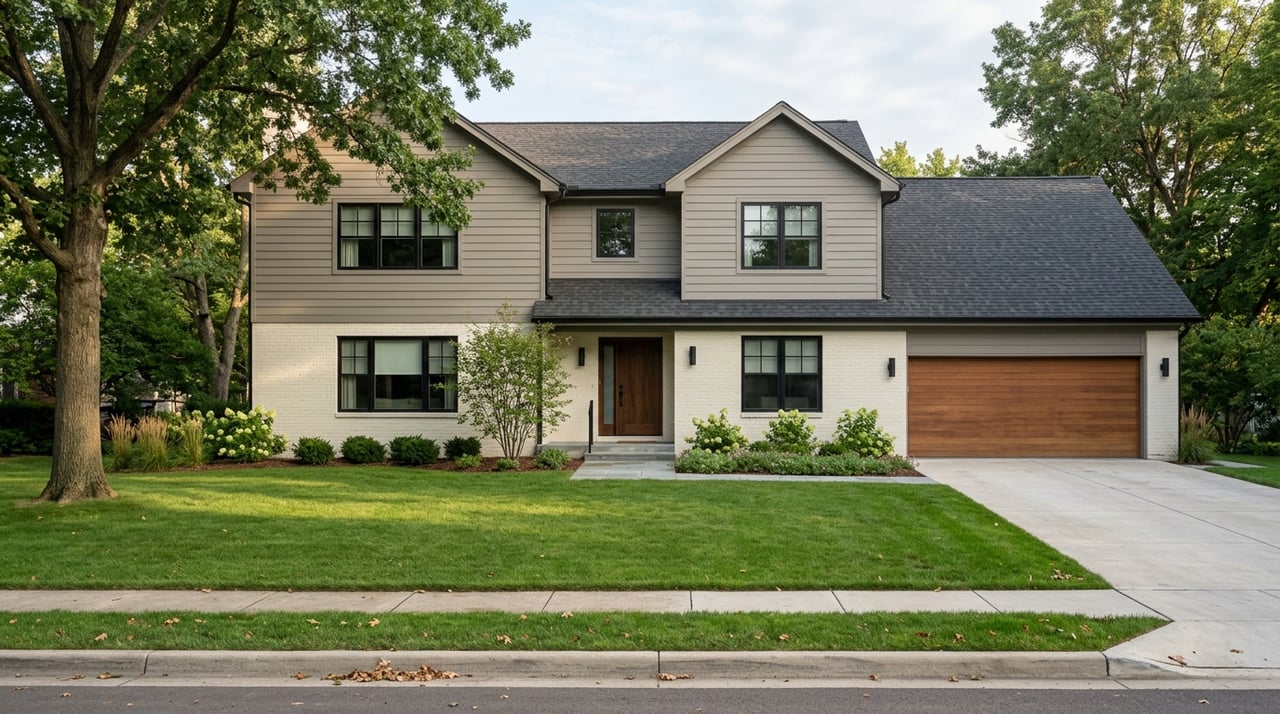
Wondering if you can just clean up, snap photos, and put your Bloomington home on the market? In this city, listing prep usually takes a little more planning than that. Because Bloomington has an older housing stock and a required Time-of-Sale process, the sellers who prepare early often put themselves in a better position once the home goes live. Let’s walk through what you should know before listing so you can price smartly, avoid surprises, and review offers with more confidence.
Bloomington has an older-home market
Bloomington is a largely built-out suburb, and much of its housing was built decades ago. The city says 82% of Bloomington’s housing stock was built in the 1950s, 1960s, and 1970s, and only 4% was built in the 1990s or later. That matters because buyers often look closely at condition, maintenance, and visible updates when comparing homes.
The city also notes that half of Bloomington’s single-family homes are under-insulated, and many neighborhoods are showing their age. That does not mean your home will not sell. It means buyers may come in expecting some age-related wear, so a clean, well-maintained presentation can carry real weight.
Current spring 2026 market snapshots also show that homes are still moving relatively quickly. Realtor.com reported a median sold price of $369,000 in April 2026 with 21 days on market, while Redfin reported a median sale price of $375,000 in March 2026 with 22 days on market. Even with slight differences by source, the bigger takeaway is clear: Bloomington sellers still need to be prepared from day one.
Bloomington is not one market
One of the biggest mistakes sellers make is pricing off citywide averages alone. Bloomington has different pockets, home styles, and buyer segments, so your home should be compared against similar properties in a similar setting.
A city housing analysis found that east Bloomington is made up largely of 1950s and 1960s ramblers, while west Bloomington has a higher share of split-entry and two-story homes. The same analysis found that west Bloomington tends to attract more move-up and executive buyers, while east Bloomington tends to attract more first-time buyers because it is more affordable. Realtor.com neighborhood data also showed a higher median listing price in April 2026 in West Bloomington at $375,000 compared with $325,000 in East Bloomington.
That is why Bloomington’s assessor guidance matters so much for sellers. The city recommends comparing homes by style, age, size, quality, condition, and location. A rambler, split-entry, and two-story home may appeal to different buyers even if the square footage looks similar on paper.
What this means for your pricing
Before you list, make sure your pricing strategy reflects:
- Your home’s style and era
- Its condition and level of updating
- Its specific area of Bloomington
- Lot setting and nearby amenities such as parks or water features
- How similar active, pending, and recently sold homes are positioned
Local housing research also says homes near parks and schools are often highly desirable, and homes near lakes or ponds can be especially attractive. Those location details can influence how buyers see value, especially when they are choosing between several older homes with similar layouts.
The Time-of-Sale inspection is a must-know
If you are selling in Bloomington, the Time-of-Sale Housing Inspection and Evaluation Report is not optional for the common residential property types covered by the city. Bloomington requires this for all single- and two-family dwellings, condominiums, townhouses, and mobile homes offered for sale.
The city says the purpose of the program is to identify immediate hazards. If hazards are found, they must be corrected or the buyer may assume them with city approval. If no hazards are found, the city issues a Certificate of Compliance.
Just as important, the report must be on site before listing and showing single-family homes, townhomes, or condominiums. That means this is something you should schedule early, not after photos are booked or your launch date is already set.
What the Time-of-Sale report covers
The inspection is limited and visual. According to the city, it reviews visible structural elements plus heating, electrical, and plumbing systems, along with accessible attics and crawl spaces.
It is also important to know what it does not do. The city says it is not a warranty, it does not inspect concealed or unsafe areas, and it does not address environmental hazards such as lead paint, radon, or asbestos.
Why early scheduling matters
The city says the initial report must be submitted within 7 calendar days after the evaluation, and the Certificate of Compliance is typically required at closing. If issues are found, reinspection may be required before occupancy.
In practical terms, an early inspection gives you time to:
- Address any immediate hazards
- Organize paperwork and next steps
- Avoid delays right before listing
- Keep your photo and showing schedule on track
Prep the home for inspection and showings
Because the Time-of-Sale evaluation is visual and limited to accessible areas, presentation is not just about impressing buyers. It also helps the inspection process go more smoothly.
Blocked access panels, crowded utility spaces, and cluttered crawl spaces can make things harder than they need to be. Before the evaluator arrives, make sure areas around the furnace, water heater, electrical panel, attic access, and plumbing are easy to reach.
Bloomington’s planning documents also note that many homes, public facilities, and neighborhoods are 40 to 50 years old and showing signs of age. In a market like that, buyers often notice upkeep quickly. A home that feels cared for can stand out, even if it is not fully renovated.
Focus repairs on what matters most
Because Bloomington homes are often older, it can be hard to know where to spend money before listing. In many cases, the smartest first step is not a major remodel. It is taking care of safety, function, and obvious condition issues that could raise concerns during the Time-of-Sale process or during buyer showings.
Based on the city’s housing data and the structure of the Time-of-Sale program, strategic pre-list dollars often go furthest when they improve safety, visibility, and everyday livability first. If your budget allows, lower-cost efficiency items like insulation gaps, air sealing, and obvious mechanical issues may also be worth considering.
A practical pre-list priority order
Start with:
- Immediate hazards that could affect the Time-of-Sale report
- Clearly visible deferred maintenance
- Mechanical problems buyers are likely to notice
- Low-cost efficiency improvements if they make the home show better
- Cosmetic updates only after the basics are handled
Bloomington also says the energy report has been part of the Time-of-Sale program since April 2022. It covers heating and cooling equipment, water heaters, wall and attic insulation, and windows. The city also says there are no required energy-efficiency improvements for the seller to complete, but every home sold in Bloomington receives a home energy score, so energy condition is still visible to buyers.
Gather your disclosures early
A smoother listing often starts with paperwork, not paint colors. Minnesota law requires sellers to disclose known material facts that could adversely and significantly affect an ordinary buyer’s use or enjoyment of the property, or any intended use the seller knows about.
Separate disclosure rules may also apply for radon, wells, and lead-based paint. If your home was built before 1978, federal lead-based paint disclosure rules generally apply to most pre-1978 housing and require known information to be shared before the contract is signed.
For radon, Minnesota requires written disclosure of known radon concentrations and related records before signing an agreement to sell residential real property. If the property has a well, the Minnesota Department of Health requires written disclosure of the status and location of known wells before sale.
Documents worth pulling together now
Before listing, gather:
- Prior radon test results, if any
- Well records, if applicable
- Lead-based paint information for most pre-1978 homes
- Receipts or records for major repairs and replacements
- Utility or mechanical update information that helps explain the home’s condition
Having these ready early can reduce stress once buyers start asking questions.
Make your listing details practical
In Bloomington, useful listing details are often more persuasive than flashy language. Buyers are often trying to understand how an older home has been maintained, how it functions day to day, and what confidence they can have in the property.
The most helpful details usually include the home style, nearby parks, mechanical updates, energy score, garage or parking setup, and recent repairs. Those facts help buyers compare your home against other Bloomington listings more clearly.
This also lines up with Evan Axelson’s process-driven approach to selling. Clear prep, strong positioning, and early momentum matter most when your home first hits the market, especially in a market where homes are often selling in about three weeks.
Look beyond the highest offer price
When offers come in, the highest number is not always the strongest result. What matters most is your likely net proceeds and how likely the deal is to hold together.
Seller-paid closing-cost credits can affect your bottom line, and a higher offer may not actually leave you with more money if the terms are heavier on concessions. Financing, inspection terms, appraisal risk, and closing timeline all deserve close attention.
A buyer with stronger financing, fewer contingencies, and a cleaner closing plan may be a better fit than one offering a higher price with more uncertainty. In Bloomington’s current market, where homes are often selling near asking, those terms can make a meaningful difference.
Offer terms to compare carefully
When you review offers, look at:
- Purchase price
- Seller credits or concessions
- Financing strength
- Inspection contingency terms
- Appraisal risk
- Proposed closing date
- Possession timing
For many sellers, the best offer is the one that supports the next move with the least disruption. That is especially true if you are buying another home, relocating, or trying to avoid extra carrying costs.
A simple Bloomington seller checklist
If you want a cleaner path to market, this is a solid place to start:
- Order the Bloomington Time-of-Sale inspection early
- Make utility and mechanical areas easy to access
- Fix immediate hazards first
- Gather radon, well, and lead-based paint disclosures if they apply
- Price against similar Bloomington homes by style, age, condition, and location
- Highlight practical updates and property features in your listing materials
- Compare offers on net result, not just headline price
Selling in Bloomington usually goes best when you plan for an older-home market. If you prepare the home early, price it against the right comparables, and evaluate offers carefully, you give yourself a better shot at a smoother sale and a more confident next step.
If you are getting ready to list in Bloomington and want a clear, step-by-step plan, Evan Axelson can help you prepare, price, and launch with less stress and more clarity.
FAQs
What is Bloomington’s Time-of-Sale inspection for sellers?
- Bloomington requires a Time-of-Sale Housing Inspection and Evaluation Report for covered residential property types being sold, and the program is intended to identify immediate hazards.
When should Bloomington sellers schedule the Time-of-Sale inspection?
- You should schedule it early, because the report must be on site before listing and showing single-family homes, townhomes, or condominiums.
Do Bloomington sellers have to make energy-efficiency upgrades before listing?
- No. The city says the energy report is part of the Time-of-Sale program, but there are no required energy-efficiency improvements for the seller to complete.
How should Bloomington sellers price their home?
- Price your home against comparable Bloomington properties with similar style, age, size, quality, condition, and location rather than relying only on citywide averages.
What disclosures should Bloomington sellers gather before listing?
- Depending on the property, sellers should gather known material fact disclosures along with any applicable radon records, well information, and lead-based paint information for most pre-1978 homes.